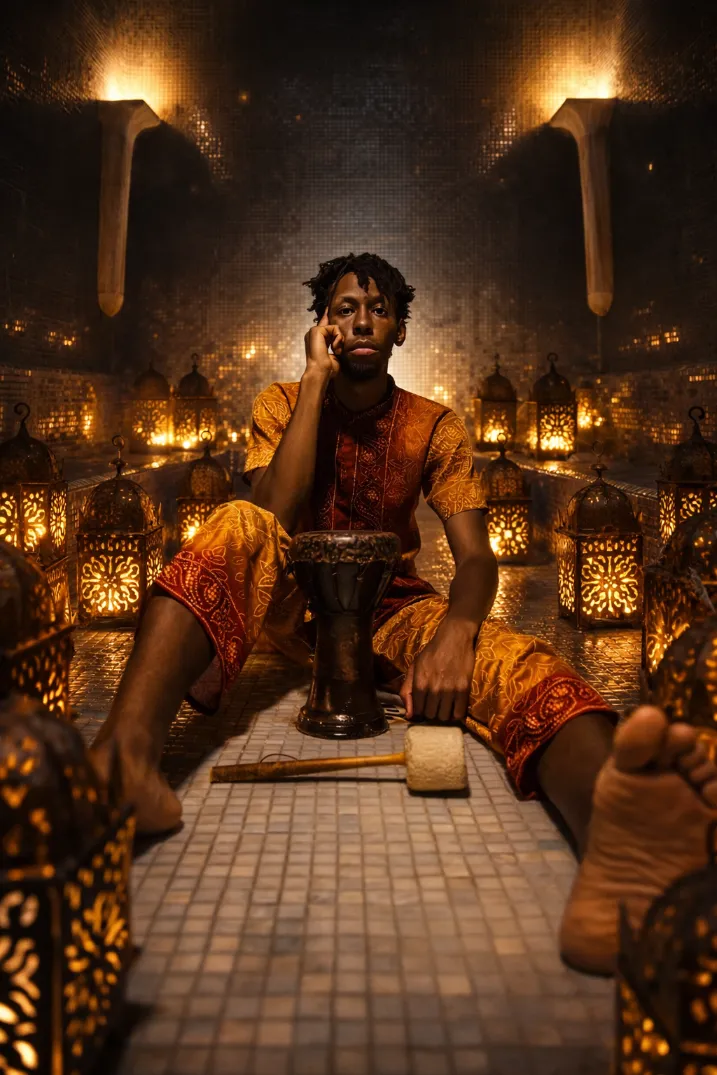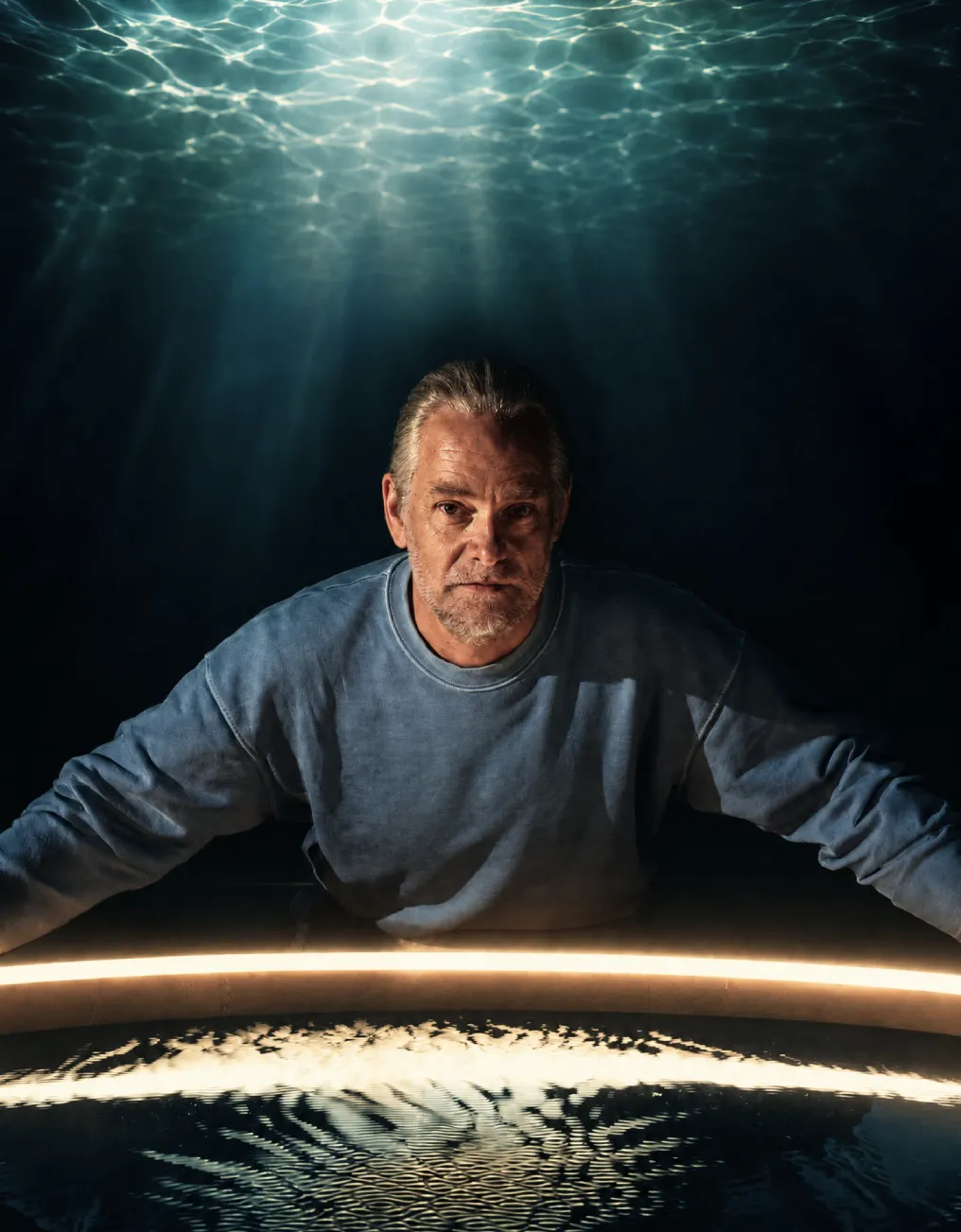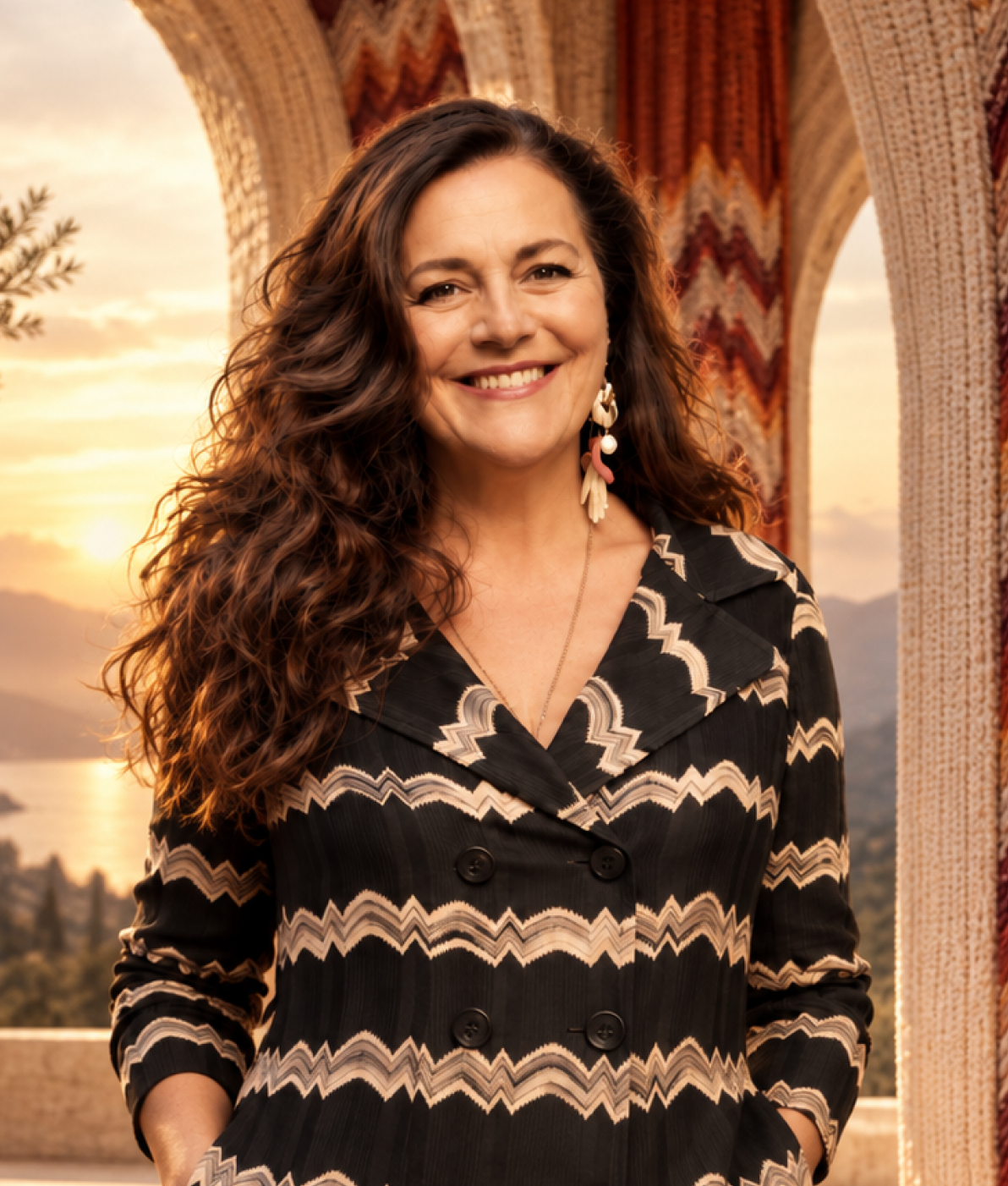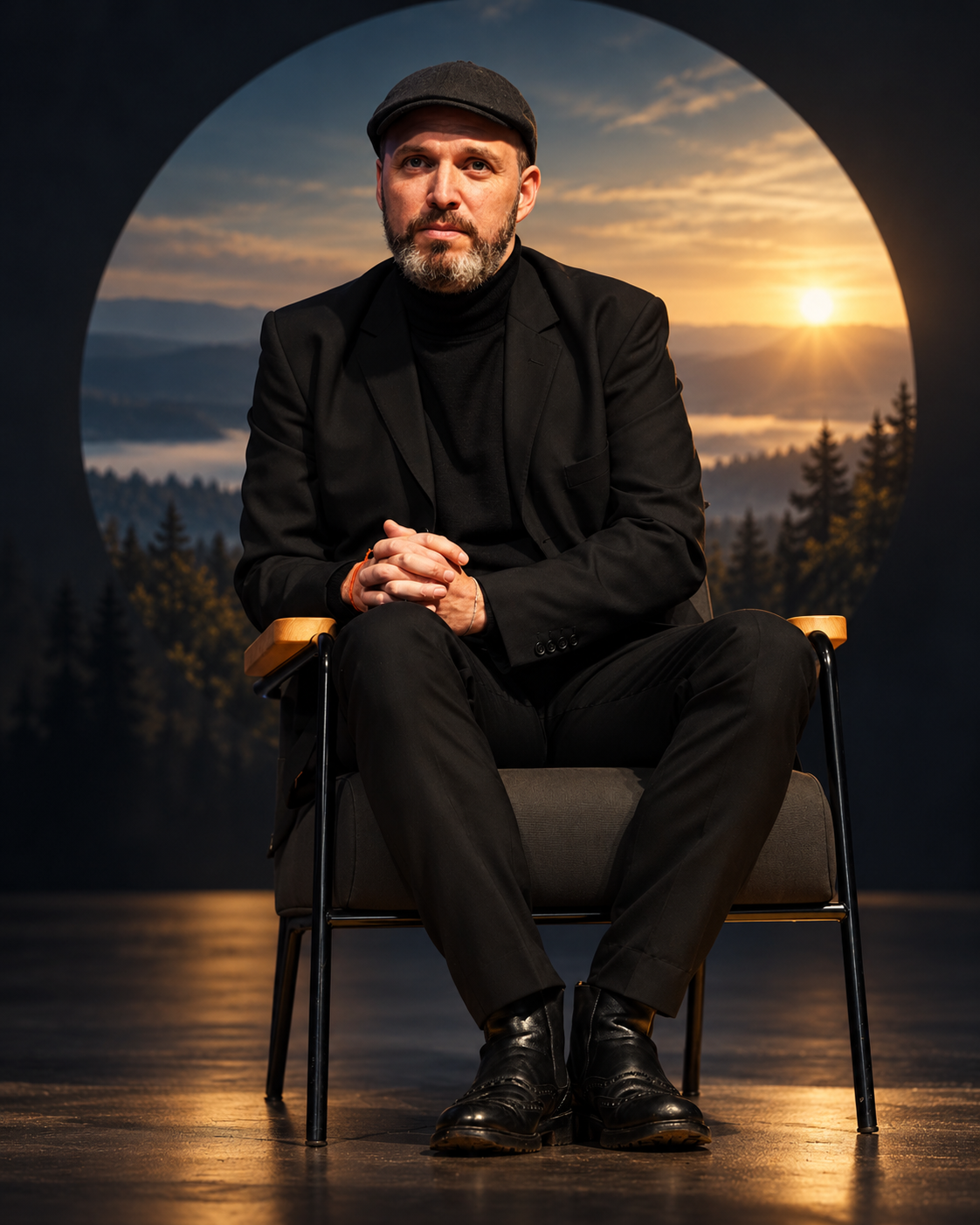
Brenton Sizwe Zola works in the space between ritual and rupture.
An interdisciplinary performance artist and writer, he draws on his Congolese spiritual heritage, a life shaped by global travel and a practice grounded in improvisation, theatre and immersive installations. The result is work that does not ask audiences to watch, it asks them to reckon.
He has performed and exhibited at the United Nations, MoMA, the Denver Art Museum, the Norman Rockwell Museum and the College of Extraordinary Experiences. He has facilitated over 1,200 one-on-one playback theatre encounters and performed for audiences of thousands, weaving together live music, ensemble collaboration and large-scale participation into something that consistently defies category.
His writing has appeared in Newsweek, American Theatre, Boulevard and on NPR.
He holds a Master of Fine Arts with a focus in Interactive Performance from UCLA.
Brenton’s work interrogates myth, memory and the politics of embodiment. It will not leave you where it found you.
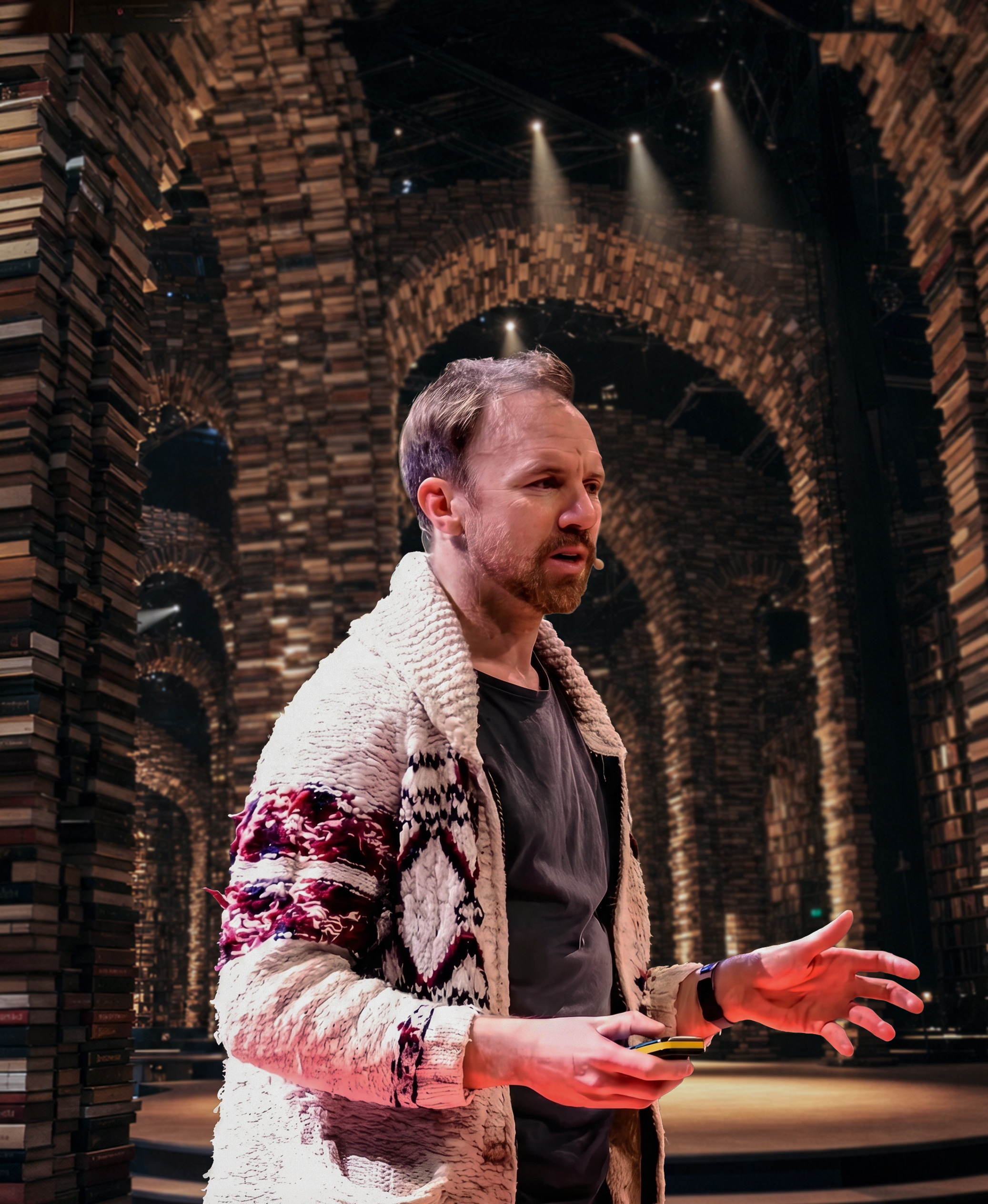
Ferdinando operates where most consultants stop, at the edge of what people believe is possible. Working at the intersection of perception, technology, future thinking and human experience, he collaborates with Fortune 500 companies, leading universities and private clients to design encounters that don’t just engage an audience, they fundamentally shift how it thinks.
His discipline is rare. Drawing on the principles of illusion, psychology and design, Ferdinando teaches organisations to leverage wonder, to direct attention, dissolve assumptions and open minds to what they had previously closed off. It is, quietly, one of the most strategic skills in the room.
Trained as a mechanical engineer with a master’s degree, and further steeped in experience design and psychology, he brings a rigour to his craft that is anything but theatrical. He is co-author of Amaze: The Art of Creating Magical Experiences, performs at The Magic Castle in Hollywood, and holds the rare distinction of Magician-in-Residence at the Institute for the Future.
He does not only entertain. He transforms how you see.
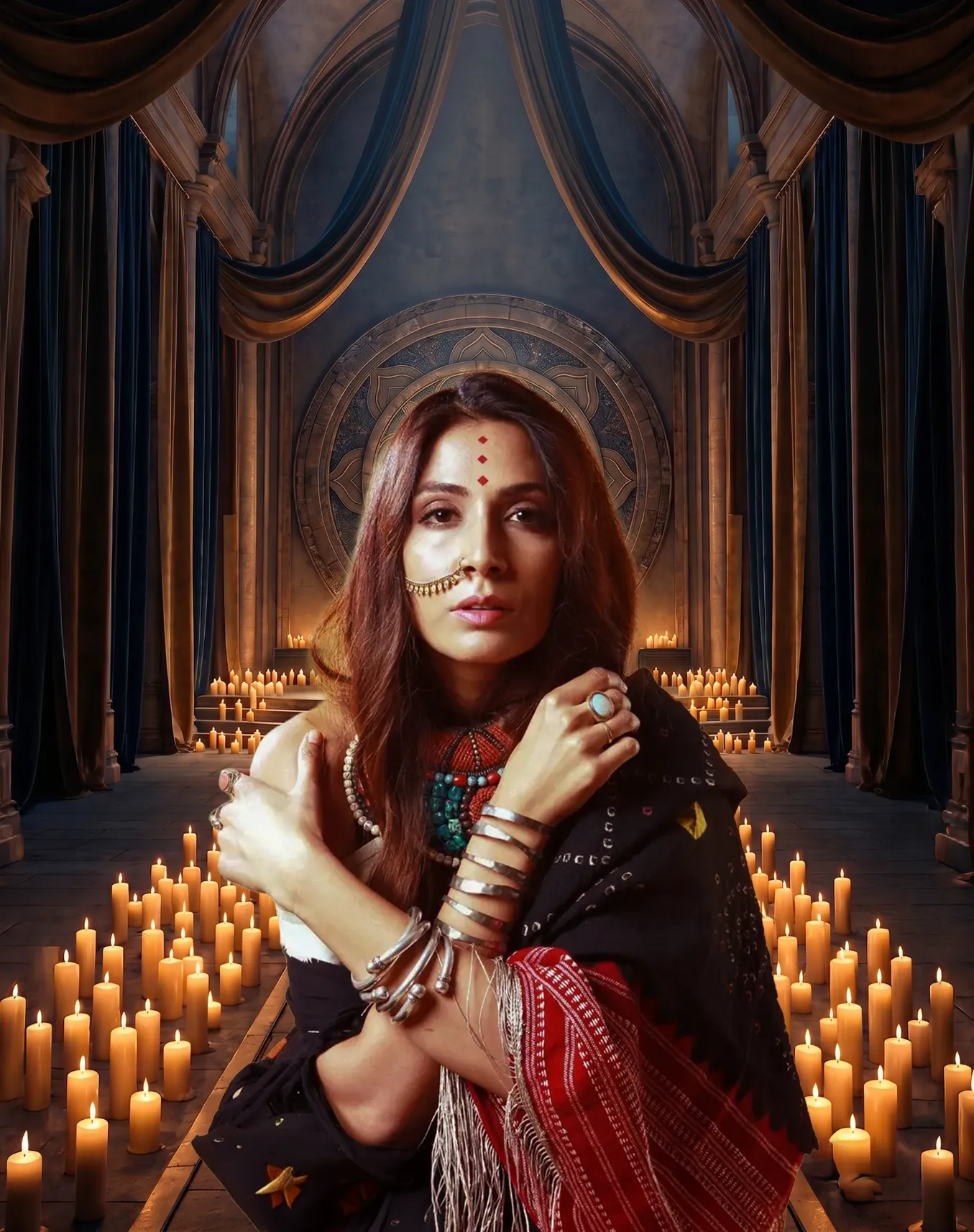
Monica Dogra defies the categories people try to assign her. An Indian-American musician, actor and conscious experience designer, she has spent two decades moving between art forms. Not sampling them, but mastering each on her own terms.
Born in Baltimore to Kashmiri parents, she moved to Mumbai and emerged as one half
of Shaa’ir + Func, the genre-defying duo that fused poetry, electronic music and alternative rock into a bold new sonic identity. As an actor, her debut in Dhobi Ghat, directed by Kiran Rao and produced by Aamir Khan, brought critical acclaim for her emotional precision and fearless
screen presence.
In recent years, her work has moved into conscious experience design. As co-curator
of Nākaloka, she creates immersive journeys exploring embodiment, presence and inner transformation. Practices that weave together performance, ritual and storytelling to move participants beyond observation into something lived.
She doesn’t make art about awakening. She makes art that is awakening.
James Wallman saw the experience economy coming before most people had a name for it. The concept he termed “experientialism”, the shift away from possessions toward meaningful experiences as the primary source of identity and fulfillment and is now
the operating logic of entire industries. He simply got there first.
His books Stuffocation and Time and How to Spend It became international bestsellers, dissecting consumerism and charting a more intentional, experience-driven way of living. He has written for The New York Times, GQ, and the Financial Times, and appeared on the BBC and MSNBC. Educated at Oxford, with a background in journalism, he brings
a sharpness to cultural analysis that avoids both the breathless and the obvious.
As founder of the World Experience Organization, he has built the most credible global community of experience designers, creatives and brands shaping the future of human engagement – convening practitioners, generating frameworks and pushing the field toward the intellectual rigour it might otherwise lack.
He doesn’t describe culture. He reads it, usually several years ahead of everyone
else in the room.
Paul Bulencea has spent fifteen years refusing to stay in one place, geographically or intellectually. Nomadic by design, he has conceived and delivered experiences across four continents, working with clients including Google and IKEA from first concept to final moment.
His more lasting work lives in the institutions he has built. He is co-creator of the College of Extraordinary Experiences, a gathering of experience designers inside a 13th-century Czech castle, recognised by the World Experience Organisation as one of the world’s best experiences. He co-founded Remember Earth, an experimental collective using designed encounters to reconnect people with the living world and Order of the Wild, a global community applying experience design to the urgent questions of climate and biodiversity.
A Forbes 30 Under 30 honouree, TEDx speaker and author of Gamification in Tourism – Designing Memorable Experiences, Paul holds an MA in Innovation in Tourism. But the credential that defines him is rarer, a genuine fluency in what it actually takes to move people, not just emotionally but behaviourally.
He doesn’t design experiences. He designs the kind of transformations that stay long after the moment ends.
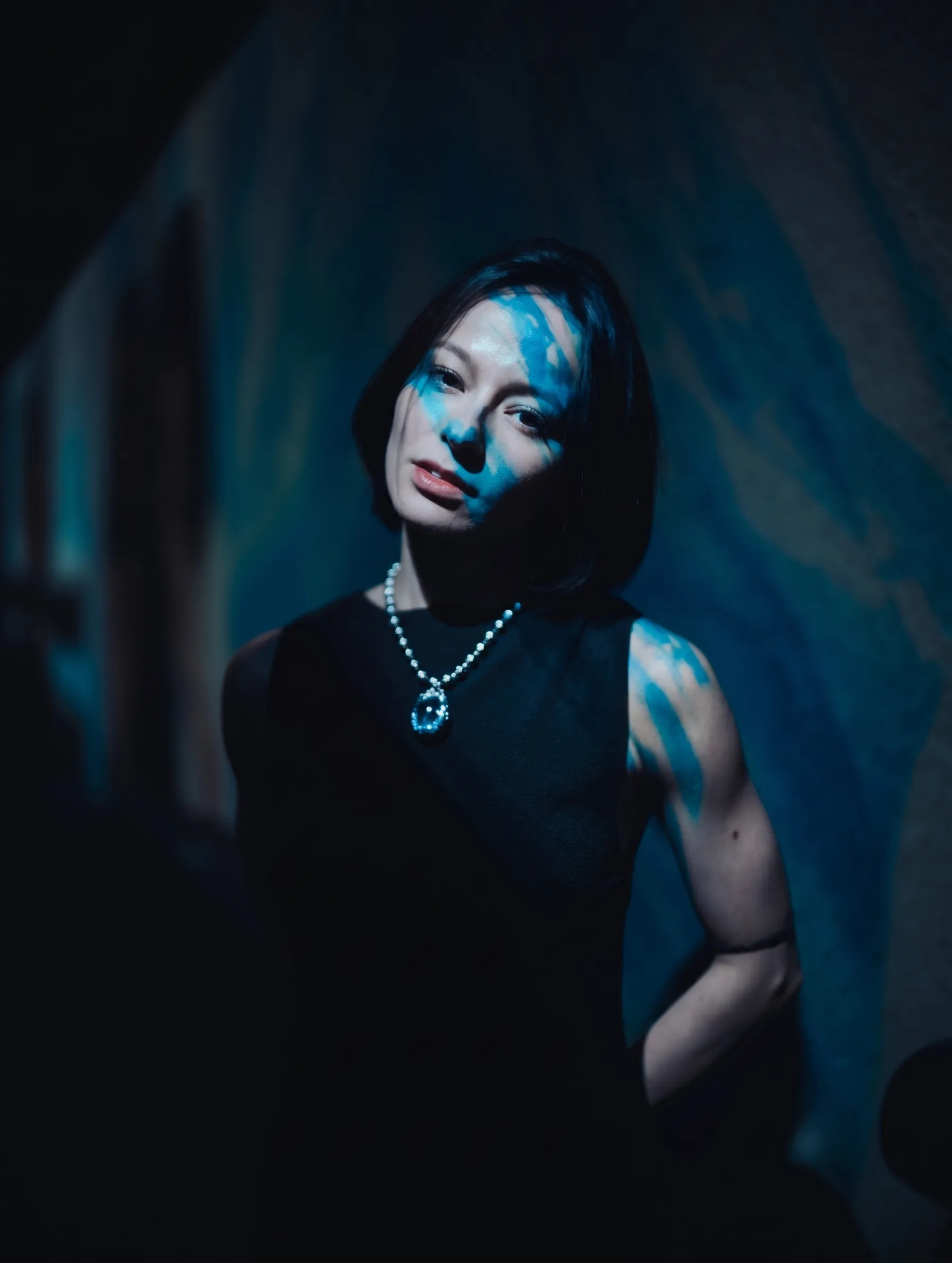
Elizaveta Poliakova does not simply perform dance. She investigates it- from the inside out.
Her foundation lies in nine years of classical ballet, including seven at the Moscow State Choreography Academy of the Bolshoi Theatre – where discipline became freedom. Studies in literature and history at Lomonosov Moscow State University deepened her exploration of what movement means beyond form.
In Berlin, Elizaveta found the artistic terrain where discipline and imagination could collide. Her choreographic work explores improvisation, strong physicality and emotional precision as a single force.
Her solo work The Flag navigates tension between performer and instability, while her upcoming piece Cloud, created with Dominic Kiessling, explores resistance, transformation and surrender.
Through performances, choreography and her Interrealism workshops across Europe, she continues shaping an artistic language where imagination and physicality move as one. She does not choreograph steps. She choreographs states of being.
Colin Nightingale helped invent the language that immersive theatre now speaks. As Creative Producer at Punchdrunk, he played a central role in shaping productions including Sleep No More. The New York production that has sold out continuously since its 2011 opening, has been experienced by hundreds of thousands of audiences, and fundamentally redefined what the relationship between story and the people who encounter it can be. The Drowned Man, which transformed a decommissioned postal sorting office in London into a labyrinthine, four-floor inhabitable world.
His work has consistently replaced the passive with the participatory. Audiences don’t sit in the dark watching a story unfold. They move through it, choose their own path and become entangled in it. That shift – structural, not cosmetic – is his signature.
Beyond Punchdrunk, his practice extends into cultural installations and multidisciplinary collaborations across art and public space. Through Sanctum, his current work, he continues to push immersive experience further into ritual, presence and collective encounter.
He doesn’t create stories you watch. He builds worlds you enter and cannot easily leave behind.
Barnet Bain has spent his career asking the questions that most producers leave to philosophers and then making films out of the answers. An award-winning director, producer and author, his credits include the Oscar-winning What Dreams May Come, the Emmy Award-winning Homeless to Harvard, and Jesus, translated into 2,245 languages and cited by The New York Times as possibly the most widely seen film in human history.
He has not just made films. He has made firsts. The Quantum Project became the first fully digital motion picture produced for worldwide internet distribution and the first to sell electronically into a movie theatre. The Linda McCartney Story became one of the most-watched television events of its era.
Off-screen, Barnet is a former Adjunct Professor of Psychology and Education at Teachers College, Columbia University. His books including The Book of Doing and Being: Rediscovering Creativity in Life, Love and Work, have made him a sought-after advisor to business leaders and private clients committed to high performance. His newest, How to Be a Friend (in an Unfriendly World), arrives at precisely the moment
it is needed. He understands, better than most, how stories change and what people are willing to believe is possible.
Roshan Abbas has spent over three decades shaping how India tells, hosts, and experiences stories at scale. An entrepreneur, storyteller and one of the country’s most recognisable live hosts, he has built a career that spans radio, television, digital media and large-format experiences.
He is the founder of Geometry Encompass (now part of WPP), one of India’s leading brand experience agencies, delivering immersive campaigns for some of the world’s biggest brands. He also launched Spoken Fest, India’s leading storytelling festival, creating a cultural platform for voices across poetry, performance and narrative arts.
A multiple award-winning radio jockey, television anchor and author of The Spirit of the Radio, Roshan has hosted over a thousand live events globally and mentored generations of communicators and creators. His work sits at the intersection of creativity, communication and business strategy.
He doesn’t just tell stories. He creates stages where entire audiences become part of them.
“If you’re looking for safe, I’m not your guy. If you’re looking for change, I just might be.”
Claus Raasted is a disruptor, educator, and one of the most prolific voices in experience design today. As co-founder and Director of the College of Extraordinary Experiences, he has helped shape a global movement of creators exploring how immersive experiences can drive transformation.
Before stepping fully into this world, he worked with McKinsey & Company, bringing a sharp, analytical lens to strategy, leadership and organisational change, an influence that continues to underpin his work.
An author of 49+ books, including Utopia Leadership and Six Principles for Leading with Power and a speaker who has delivered over 1000 talks worldwide, Claus brings both scale and depth to his practice. He also serves as International Dean at Bhavan’s College MSEED, mentoring the next generation of experience designers.
Equal parts academic and provocateur (often in a Batman suit), he doesn’t design for comfort. He designs for change and makes sure it sticks.
Omung Kumar is an acclaimed Indian film director, production designer, and art director known for his ability to transform space into storytelling. With a career spanning over two decades, he began as a production designer, crafting some of the most visually striking sets in Hindi cinema.
Before stepping into direction, he worked closely with filmmakers like Sanjay Leela Bhansali, contributing to the grandeur and visual identity of films such as Black and Saawariya. His work is defined by meticulous detail, scale, and an instinct for translating emotion into physical environments.
He made his directorial debut with Mary Kom (2014), starring Priyanka Chopra Jonas, which received critical acclaim and commercial success. He followed this with Sarbjit (2016), further establishing his voice in telling powerful, real-life stories.
Whether designing sets or directing films, Omung Kumar approaches every frame as
an immersive world, where space itself carries narrative weight.
He doesn’t just build sets. He builds worlds that make you feel the story
before it’s even told.
Teresa Maccapani Missoni grew up not only in a fashion house, but in a factory – running between looms, playing with textiles, and understanding through her hands what most designers spend years learning through their eyes.
The granddaughter of Ottavio and Rosita Missoni, and daughter of Angela, her work has never been content to remain inside its inheritance. Her aesthetic is nomadic – shaped by travels, stories, places and people she has encountered along the way, as much as by the archive she grew up surrounded by. At the heart of her work is a constant process of translation: bringing heritage into the present through craftsmanship, a deep respect for artisanal traditions and a commitment to sustainability.
Since 2017, alongside fashion, her work has expanded into illustration, interior design and hospitality, as well as collaborations with brands and creative projects including Marina Rinaldi and Cabana.
Her work begins with stories, memories and the emotions they leave behind. She translates these impressions into colour, textiles and form, creating a sensory language that connects the past with the present and invites others to find their own memories within it.
Angela Missoni inherited a language built from colour, craft and a belief that clothing could carry emotion the way a memory does. Her vision opened that language to the world.
For over two decades as Creative Director of Missoni, she showed how a family’s aesthetic identity could remain a living thing, continually evolving. Under her stewardship, the house expanded while preserving its unmistakable emotional signature.
Her collaborations with Adidas, Palm Angels, Supreme, Converse, Havaianas and Target brought Missoni to new audiences. Demand for the Target collection was so extraordinary that the retailer’s website crashed within hours of the launch.
Curiosity has always guided her. Her eye for emerging talent led her to collaborate with photographers including Mario Testino, Mert and Marcus, and Juergen Teller. Working with artists across a wide range of projects, she continually found new ways to express Missoni’s world through image, art and experience.
Her achievements have been recognised with the Women’s World Award, the Museum of Arts and Design Award, the Fashion Group International Lifetime Achievement Award and the amfAR Award of Courage.
She has spent her career showing that the most enduring design is the design we feel.
Paul Bulencea has spent fifteen years refusing to stay in one place, geographically or intellectually. Nomadic by design, he has conceived and delivered experiences across four continents, working with clients including Google and IKEA from first concept to final moment.
His more lasting work lives in the institutions he has built. He is co-creator of the College of Extraordinary Experiences, a gathering of experience designers inside a 13th-century Czech castle, recognised by the World Experience Organisation as one of the world’s best experiences. He co-founded Remember Earth, an experimental collective using designed encounters to reconnect people with the living world and Order of the Wild, a global community applying experience design to the urgent questions of climate and biodiversity.
A Forbes 30 Under 30 honouree, TEDx speaker and author of Gamification in Tourism – Designing Memorable Experiences, Paul holds an MA in Innovation in Tourism. But the credential that defines him is rarer, a genuine fluency in what it actually takes to move people, not just emotionally but behaviourally.
He doesn’t design experiences. He designs the kind of transformations that stay long after the moment ends.
Jean-Paul Mertinez is a writer, director and producer, working at the intersection of cinema, culture, and global advocacy. As Co-Founder of Compassionate Studios, he collaborates with Indigenous and spiritual leaders, musicians and cultural leaders, on his films, which have been distributed in over 120 countries on platforms including Netflix, Apple TV+, and Amazon. He is the series creator, writer, and director of Love the Earth with Julian Lennon & Friends, the UN-supported animated children’s series that blends music, environmental science, and Indigenous storytelling to empower the next generation.
Across both scripted and documentary formats, Jean-Paul’s work weaves together beauty, purpose, and global resonance through a lens of compassion, imagination, and impact.
Bridging eras through melody
With Julian Lennon & Friends
An Exclusive EDS 2026 Experience
LOVE YOURSELF. LOVE EACH OTHER. LOVE THE PLANET.
It is an exciting new animated family television series bringing together extraordinary characters, music, mindfulness, and adventures with some of the world’s most inspiring Indigenous and creative voices to celebrate our beautiful planet.
Series creator, writer and director Jean-Paul Mertinez and Producer Meena Khera bring Love The Earth for its exclusive India debut at EDS 2026.
Set against the spectacular backdrop of Mundota Fort & Palace in Jaipur, this special 30-minute Opening Night Experience showcases the series unique DNA through exclusive animated previews, cultural conversations and live music performances, bringing Love The Earth to life through a rich storytelling style multi-generational audiences can enjoy together.
Jean-Paul is joined by Indian music’s star duo Maati Baani , known for their vibrant fusion of traditional and contemporary sounds, and whose seismic performances have garnered tens of millions of views worldwide, and Indigenous elder Poonacha , who will share knowledge and wisdom from his Coorg heritage in South India. The session will be moderated by Samit Garg , Co-Founder and MD of E-Factor Experiences Ltd .
Featuring exciting announcements about the series and its creative journey, the evening culminates in an interactive Tree of Promises , inviting guests to become part of a new, positive story for the planet.
More than an animated series, Love The Earth is a global storytelling platform with a simple yet powerful message: LOVE YOURSELF. LOVE EACH OTHER, and LOVE THE EARTH.